
Planning Your Varanasi Trip? Get the Best Time Advice & Custom Tour Assistance
Seasonal tips • Festival guidance • Personalized itinerary
Plan My Varanasi TripNot sure when to visit? Our local experts can help you plan the perfect trip.
The best time to visit Varanasi is from October to March, when the weather is cool and dry and the city’s festivals light up the ghats. In these months daytime highs are around 20–30°C and evenings are comfortable, ideal for boat rides and walking tours. This period includes major events like Diwali and Dev Deepawali (Kartika Purnima, Nov 24, 2026), which fill the riverfront with lights and crowds. Winters (especially November–February) bring foggy morning boat rides and special foods like malaiyo (saffron milk froth). Planning around seasons and festival dates lets you avoid the hottest summer days and the heaviest rains, making your trip more enjoyable.
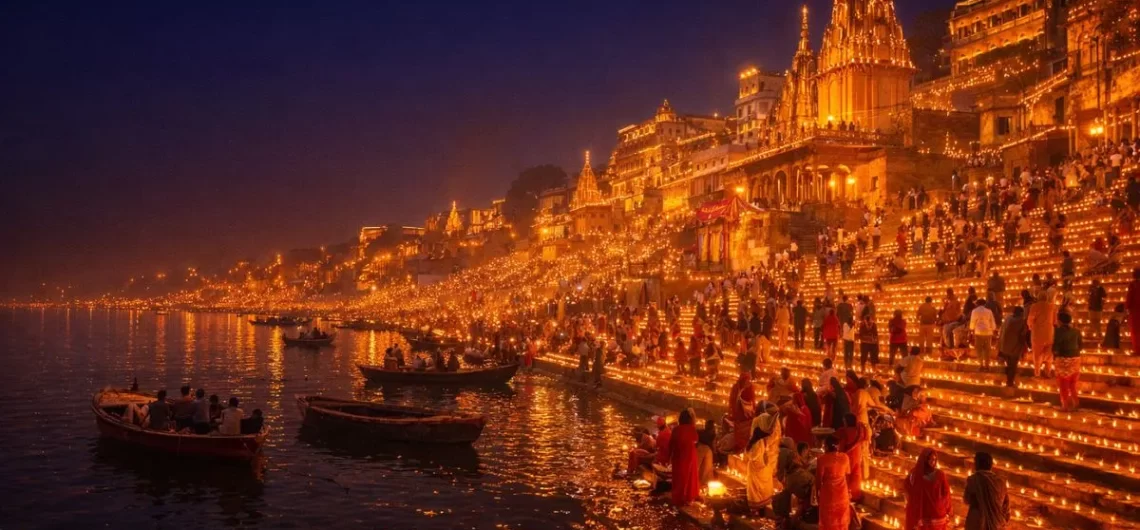
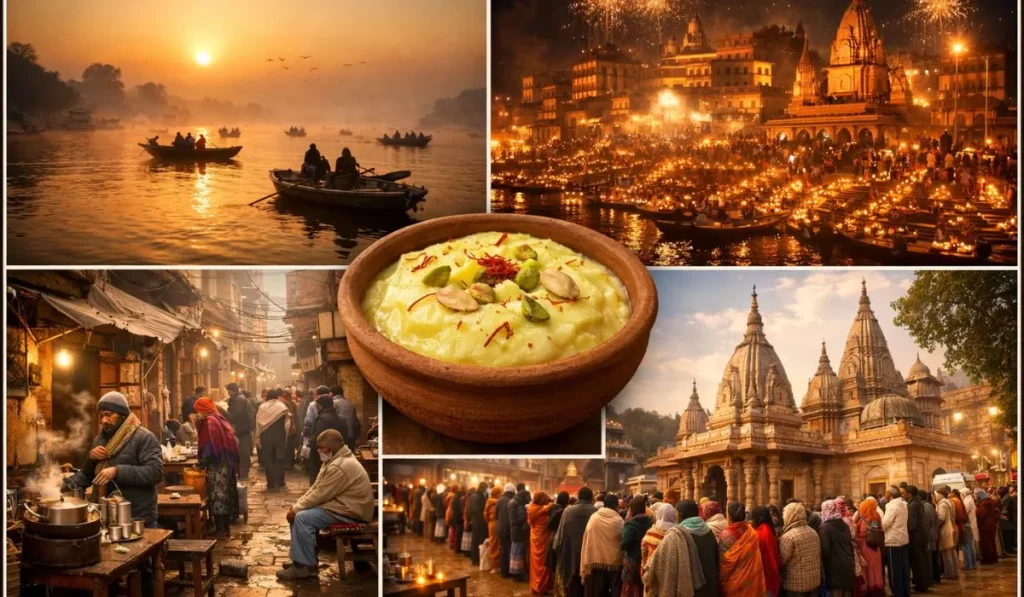
Varanasi’s ghats glow at sunrise along the Ganges. Cool winter mornings make boat rides and ghats visits especially pleasant. During festival seasons after Diwali (usually in October–November), celebrations culminate on Kartika Purnima (Dev Deepawali). Festivals fill the city with lights and crowds, so planning your visit around these vibrant events can create a memorable experience.
Best Time to Visit Varanasi
October through March is widely regarded as Varanasi’s peak season. In this period the weather is mild and mostly dry, which is ideal for exploring the ghats, temples and markets. The major festivals – including Diwali/Dev Deepawali in November and Maha Shivratri in February – fall in these months, adding a rich cultural experience. Tourist services (boats, tours, hotels) operate fully in peak season, but be aware that popular sites can be crowded. Tourists should also check local safety advice before traveling – for example, see our guide “Is Varanasi Safe to Visit for Tourists?”
Varanasi Weather Overview
Varanasi has three main seasons: summer, monsoon, and winter. Summers (April–June) are very hot, with daytime temperatures often reaching 35–45°C. The humidity rises in July–September when the southwest monsoon brings heavy, sporadic rains. These rains can swell the Ganges and sometimes flood the lower ghats, disrupting boat rides and road transport. Winters (October–March) are cool and mostly dry. Daytime highs average around 20–25°C, and nights can drop to 5–10°C (as low as 4°C in peak cold). Morning fog on the river is common in winter, which makes sunrise boat trips very atmospheric. Overall, travel experts agree the cool months (Nov–Mar) are most comfortable for visitors.
Winter Season in Varanasi (October to March) – Best Time
Winter is the most pleasant season in Varanasi, running roughly from October through March. Days are mild (around 20–25°C) and evenings are cool. This is ideal for outdoor sightseeing, temple visits and evening aartis. The mornings can be foggy (especially Dec–Jan), creating a mystical view of the Ganges. Boat rides on the river at dawn are unforgettable in this cool air. In these months Varanasi also celebrates festivals – for example, December–January mornings offer malaiyo (a seasonal saffron dessert), and kite-flying and Makar Sankranti add local color in mid-January. Since winter is peak tourist season, expect larger crowds and higher prices; it’s wise to book hotels and boats well in advance.
Summer Season in Varanasi (April to June)
Summer in Varanasi (April–June) is very hot and dry. Temperatures soar, often into the 40s°C by mid-May. Outdoor activities become uncomfortable by late morning. Summer vacation crowds may still visit (and hotels may be slightly cheaper), but the daytime heat is intense. Daytime sightseeing should be done early (or late) to avoid the worst sun. If you travel in summer, take precautions: drink plenty of water, wear light cotton clothes, sunglasses and a hat, and use sunscreen. It’s also smart to plan indoor or air-conditioned activities during midday. In general, most travel guides advise avoiding April–June unless you can handle extreme heat.
Monsoon Season in Varanasi (July to September)
Monsoon season (July–September) brings the southwest rains to Varanasi. The rain is not constant but can be heavy at times. Daytime temperatures drop to around 25–30°C, giving a respite from the intense summer heat, but the humidity is high. Heavy downpours can briefly flood streets and the lower ghats; as one guide notes, “monsoon arrives in July and August, and the city experiences heavy rainfall, causing the water level to rise significantly and rendering the ghats inaccessible on many days”. Boat rides still operate but may be canceled on very wet days. On the positive side, the landscape turns green and prices for lodging are lower. Pilgrims continue to visit the Ganges (even in rain) for rituals and bathing on full-moon nights. If you travel in monsoon, pack a reliable umbrella or raincoat and be prepared for road traffic delays.
Planning Your Varanasi Trip? Get the Best Time Advice & Custom Tour Assistance
Seasonal tips • Festival guidance • Personalized itinerary
Plan My Varanasi TripNot sure when to visit? Our local experts can help you plan the perfect trip.
Best Month to Visit Varanasi
For the best weather and festivals, consider these peak periods:
- October–November: The heat starts to ease, and the sky stays clear. Daytime temperatures are warm (20–30°C) with cool nights. This is festival season: Diwali and Dev Deepawali (Kartika Purnima) fall in these months, creating a spectacular display of lamps on the Ganges. The famous Ganga Mahotsav (cultural fair) also runs after Diwali during this time.
- December–January: This is the coolest period (often 5–15°C mornings). Frost is rare, but you may need a jacket for dawn boat rides and night walks. The river may be misty in the morning. These months still have festivals (like Makar Sankranti), and many tourists enjoy the calm winter ambiance.
- February–March: By February the weather warms to a comfortable 15–25°C range. The famous Maha Shivratri festival falls in this period (Feb 15, 2026), drawing pilgrims to Shiva temples with evening processions. Early spring offers lots of sunshine and makes walking the ghats pleasant before the summer heat returns.
Each of these windows offers good weather and cultural events. Planning around them can give you the best of both climate and culture in Varanasi.
During Dev Deepawali (Festival of Lamps) all 84 ghats are lit by thousands of oil lamps. In 2026, Dev Deepawali will fall on November 24. This festival marks the end of Ganga Mahotsav – a five-day cultural celebration after Diwali. At Dev Deepawali, Varanasi’s ghats glow with diyas and rangoli, and pilgrims chant hymns by the river. Plan your visit knowing these events draw huge crowds. Go early to get a boat or vantage point.
Varanasi also celebrates Maha Shivratri in late winter. In 2026, Maha Shivratri is on 15 February. On this night devotees throng the Kashi Vishwanath temple and other shrines of Shiva. Temple processions (Shiv-barat) and special pujas take place throughout the day and night. For culture lovers, attending Maha Shivratri can be a powerful experience, but expect long queues and loud crowds.
Finally, Ganga Mahotsav is a five-day river festival held after Diwali. It features cultural performances, boat races, kite flying and a crafts fair. The final day of Ganga Mahotsav coincides with Dev Deepawali. In 2026, official dates are 6–8 November. This festival showcases Varanasi’s heritage along the Ganges.
Crowd Management: Festivals mean big crowds. Keep your belongings secure and book hotels/boats well ahead. To avoid peak crush, consider arriving a day or two before the main event and depart a day later. Be patient in lines and go with the flow of local guides. Morning or late-evening visits to ghats can be less congested than afternoon.
When Should You Avoid Visiting Varanasi?
Some times of year are less comfortable for most visitors. Avoid April–June unless you can handle extreme heat. In May the days can be brutally hot and sticky, which can make sightseeing tiring. Likewise, July–August bring heavy monsoon rains. The downpours can flood low-lying areas and may force sightseeing plans to be canceled. Even if you tolerate rain, note that boat rides on the Ganges may be limited in high water. For many travelers, the off-season (summer/monsoon) offers lower prices and smaller crowds, but be realistic about heat and rain. If crowds are your concern, remember that the October–March season (especially festival times) is busiest. In short, any time outside October–March has trade-offs: it can be quieter and cheaper but also hotter or wetter.
Travel Tips Based on Season
- Clothing: Pack lightweight cottons for summer, plus good sun protection (hat, sunglasses). In winter (Dec–Jan), bring a warm jacket or sweater for chilly mornings. Monsoon travelers need a waterproof jacket or umbrella and quick-dry clothes. Regardless of season, modest clothing (covering shoulders/knees) is respectful at temples.
- Footwear: Choose comfortable, sturdy shoes or sandals for walking. The ghats have many uneven stone steps; closed shoes or grippy sandals help prevent slips, especially when wet.
- Health & Safety: Carry bottled water and stay hydrated, especially in summer. Avoid drinking tap water or eating uncooked street food if you have a sensitive stomach. Use sunscreen and insect repellent in the warmer months. It’s wise to have travel insurance, as minor accidents can happen on steep ghats. Keep emergency numbers handy.
Along with seasonal planning, tourists should also be aware of basic safety practices. For a complete overview, refer to Is Varanasi Safe to Visit for Tourists, which covers safety tips for first-time visitors.
- Booking Tips: Since October–March is peak season, book accommodations and boats well in advance, especially around festival dates. Hotels fill up fast during Dev Deepawali and Shivratri. For off-season (summer/monsoon) travel, you may find discounts on hotels and flights. However, always check cancellation policies in case weather forces changes to your plans.
- Local Transport: Auto-rickshaws and cycle-rickshaws are common, but negotiate fares beforehand. During hot weather, avoid traveling during mid-day; mornings and evenings are more comfortable.
- Booking Tours: If you use a guide or tour, ensure they are licensed and have good reviews. An insider guide can improve safety and insight but avoid touts offering “special” deals at the ghats.
Explore Varanasi with Local Guidance
For a smoother and more informed trip, having reliable local insights can make a big difference. You can explore helpful travel information, cultural highlights, and practical tips on the Best Varanasi Tour to plan your visit to Varanasi more confidently.
Final Verdict: When Is the Best Time to Visit Varanasi?
In summary, October through March offers the most pleasant weather and the richest cultural experiences. For the coolest, driest climate, aim for November–February, when daytime temperatures are comfortable and nights are brisk. October–November combines good weather with major festivals (Diwali, Dev Deepawali). December–January are calm and chilly. February–March bring warm days and events like Shivratri. With a bit of planning, Varanasi can be rewarding any time: just avoid extreme heat and downpours if they concern you. By choosing your dates wisely and following seasonal tips (and referring to travel guides or our safety advice), you can enjoy the ghats, temples and culture of Varanasi to the fullest. Smart planning ensures that Varanasi’s timeless charm leaves you with great memories, no matter when you visit.
Frequently Asked Questions About the Best Time to Visit Varanasi
What is the best month to visit Varanasi?
Most experts recommend October to March as the best months. Within that range, November to February usually has the nicest weather for sightseeing.
Is winter the best season to visit Varanasi?
Yes. Winter (roughly Dec–Jan) has the coolest, most comfortable weather for outdoor activities. Mornings are foggy and afternoons are pleasantly cool.
Can tourists visit Varanasi in summer?
They can, but be warned it’s very hot (up to 40–45°C). If you go in April–June, expect heat stress and stay hydrated. Summer is low-season with fewer crowds and some discounts, but most sightseeing will be best in the early morning or evening to avoid midday sun.
Is monsoon a good time to visit Varanasi?
Monsoon (July–September) cools the city and makes the surroundings lush, but heavy rains can flood the ghats. Boat rides still run on non-rainy days, but bring rain gear. If you don’t mind some rain, you’ll find fewer tourists and lower prices. However, plan flexibly as downpours may disrupt travel plans.
Which month has the best festivals in Varanasi?
November is festival-rich: Diwali and then Dev Deepawali (Kartik Purnima) light up the ghats. Late February (Maha Shivratri 2026 is on Feb 15) also sees big celebrations at Shiva temples. Each festival has its own appeal if you want a cultural highlight.
Is Varanasi crowded in peak season?
Yes. The October–March season is very busy, especially during popular events. For example, Dev Deepawali and Diwali draw thousands of visitors to the ghats. Even outside festivals, winter is tourist high season. If you prefer fewer people, consider January–March (after New Year) or late February–March when crowds thin out a bit. Booking ahead and arriving early at attractions will help you avoid long waits during peak months.
Each answer above is supported by current travel guides and festival calendars to ensure you have the latest information for planning your trip. Safe travels!
Explore Agra and the Taj Mahal
Travellers visiting Varanasi often extend their trip to Agra to see the world-famous Taj Mahal. You may also explore:
- Why Sunrise is the Best Time to Visit Taj Mahal — Best visiting tips.
- Same Day Taj Mahal Tour by Car: Best Start Time — Plan your day.
Enjoy a complete cultural journey through North India.

Comments