“;
}
function fallback(host, city, theme, ink, bg) {
var p = palette(theme, ink, bg);
var name = esc((city || “”).replace(/-/g, ” “) || “your destination”);
var a = document.createElement(“a”);
a.href = BASE + “/blog”;
a.target = “_blank”;
a.rel = “noopener nofollow”;
a.textContent = “Live travel-safety data for ” + name + ” at kakapo.travel”;
a.style.cssText = “display:inline-block;font:700 14px/1.4 -apple-system,Segoe UI,Roboto,sans-serif;” +
“color:” + p.ink + “;background:” + p.card + “;border:1px solid ” + p.border +
“;border-radius:14px;padding:11px 16px;text-decoration:none”;
host.appendChild(a);
}
function mount(host, data, size, theme, layout, ink, bg) {
var to = data.sourceUrl || (BASE + “/blog”);
var cityKey = encodeURIComponent(data.location && data.location.slug || “”);
var href = BASE + “/api/badge/click?city=” + cityKey + “&to=” + encodeURIComponent(to);
var root = host.attachShadow ? host.attachShadow({ mode: “open” }) : null;
if (root) {
var inner = renderBody(data, size, layout, href);
// The whole card (small or large) is the click-tracked link, opening in a
// new tab so readers keep the blogger’s page open. The dofollow backlink
// lives in the visible “kakapo.travel” label.
var card = ‘‘ + inner + ““;
root.innerHTML = “” + card;
var el = root.querySelector(“.kkp”);
// Layout responsiveness (based on the badge’s OWN width so it adapts to
// phones AND narrow columns):
// vertical → always stacked.
// auto → stacked when narrow, wide banner otherwise.
// horizontal → always a row; just shrinks to a compact row when narrow
// (never clips off the edge like a fixed banner would).
if (size !== “small”) {
if (layout === “vertical”) {
el.classList.add(“narrow”);
} else if (layout === “wide”) {
// pinned wide banner — never collapse to compact. The generator’s
// Desktop preview uses this, then scales the whole banner down to fit.
} else {
var NARROW = 560;
// auto (default) + horizontal both use the COMPACT horizontal layout
// when narrow — ring beside content, not a vertical stack.
var cls = “compact”;
var apply = function (w) { if (w > 0) el.classList.toggle(cls, w < NARROW); };
apply(host.getBoundingClientRect().width);
if (window.ResizeObserver) {
new ResizeObserver(function (es) { apply(es[0].contentRect.width); }).observe(host);
} else if (window.matchMedia) { // legacy fallback: viewport-based
var mq = window.matchMedia("(max-width:" + NARROW + "px)");
var mqf = function () { el.classList.toggle(cls, mq.matches); };
mqf(); (mq.addEventListener ? mq.addEventListener("change", mqf) : mq.addListener(mqf));
}
}
}
var reveal = function () { if (el) el.classList.add("ready"); };
if (window.requestAnimationFrame) requestAnimationFrame(reveal);
setTimeout(reveal, 60);
} else {
fallback(host, host.getAttribute("data-city") || host.getAttribute("data-country"), theme, ink, bg);
}
try {
var loc = data.location || {};
var key = (loc.type === "country" ? "country=" : "city=") + encodeURIComponent(loc.slug || "");
new Image().src = BASE + "/api/badge/impression?" + key;
} catch (e) {}
}
// Cache score responses per query (shared across all badges on the page) so
// re-rendering the SAME place — e.g. the generator preview re-theming, or
// several badges for one city — is instant and never re-hits the (expensive)
// /api/badge/data endpoint. Without this, every theme/colour change re-fetched
// the full safety report, which raced/overloaded and visibly broke the badge.
var DATA_CACHE = {};
function getData(q) {
if (DATA_CACHE[q]) return DATA_CACHE[q];
var p = fetch(BASE + "/api/badge/data?" + q, { credentials: "omit" })
.then(function (r) { if (!r.ok) throw new Error(r.status); return r.json(); })
.catch(function (e) { delete DATA_CACHE[q]; throw e; }); // never cache a failure
DATA_CACHE[q] = p;
return p;
}
function init(host) {
if (host.getAttribute(INIT)) return;
host.setAttribute(INIT, "1");
// data-place = a kakapo.travel geonameId → identical scores to the website.
// data-city / data-country = legacy guide slugs (still supported).
var place = host.getAttribute("data-place");
var city = host.getAttribute("data-city");
var country = host.getAttribute("data-country");
// Two sizes only: small (bare circle) or large (full card). Anything else
// (incl. the retired "medium") maps to large.
var size = (host.getAttribute("data-size") || "large").toLowerCase() === "small" ? "small" : "large";
var theme = (host.getAttribute("data-theme") || "blue").toLowerCase();
if (theme !== "auto" && THEME_NAMES.indexOf(theme) < 0) theme = "blue";
// auto (default) = responsive: wide banner, stacks when narrow.
// horizontal = always a row (shrinks to compact when narrow, never clips).
// vertical = always stacked.
var layout = (host.getAttribute("data-layout") || "auto").toLowerCase();
if (layout !== "vertical" && layout !== "horizontal" && layout !== "wide") layout = "auto";
var ink = host.getAttribute("data-ink") || "";
if (!isHex(ink)) ink = "";
var bg = host.getAttribute("data-bg") || "";
if (!isHex(bg)) bg = "";
if (!place && !city && !country) { fallback(host, "", theme, ink, bg); return; }
var q = place ? "place=" + encodeURIComponent(place)
: city ? "city=" + encodeURIComponent(city)
: "country=" + encodeURIComponent(country);
// host.isConnected guard: if this host was already replaced (rapid re-render),
// don't paint a stale, detached badge.
getData(q)
.then(function (data) { if (host.isConnected !== false) mount(host, data, size, theme, layout, ink, bg); })
.catch(function () { if (host.isConnected !== false) fallback(host, city || country, theme, ink, bg); });
}
function scan() {
var nodes = document.querySelectorAll(SEL);
for (var i = 0; i < nodes.length; i++) init(nodes[i]);
}
window.__kkpBadge = { scan: scan, base: BASE, themes: THEME_NAMES };
if (document.readyState === "loading") {
document.addEventListener("DOMContentLoaded", scan);
} else {
scan();
}
})();
Traveling at night? Our local team can help plan a safe and comfortable experience.
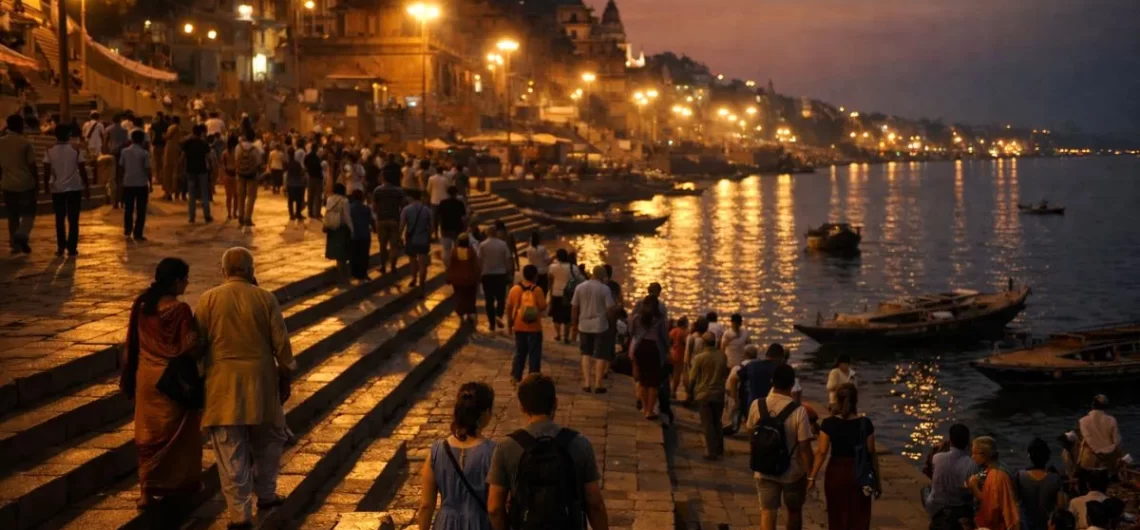
Yes, Varanasi is generally safe at night in tourist areas, but some basic precautions are important. The city’s main ghats and temple areas stay busy and well-lit well into the evening, so visitors usually feel secure there. Locals and police maintain a visible presence around major attractions like the Dashashwamedh Ghat, and many pilgrims attend evening rituals, which helps keep things calm. At the same time, tourists should stay alert for petty theft and avoid very quiet or isolated spots after dark. By sticking to main streets and known gathering places, most travelers enjoy a trouble-free night experience.
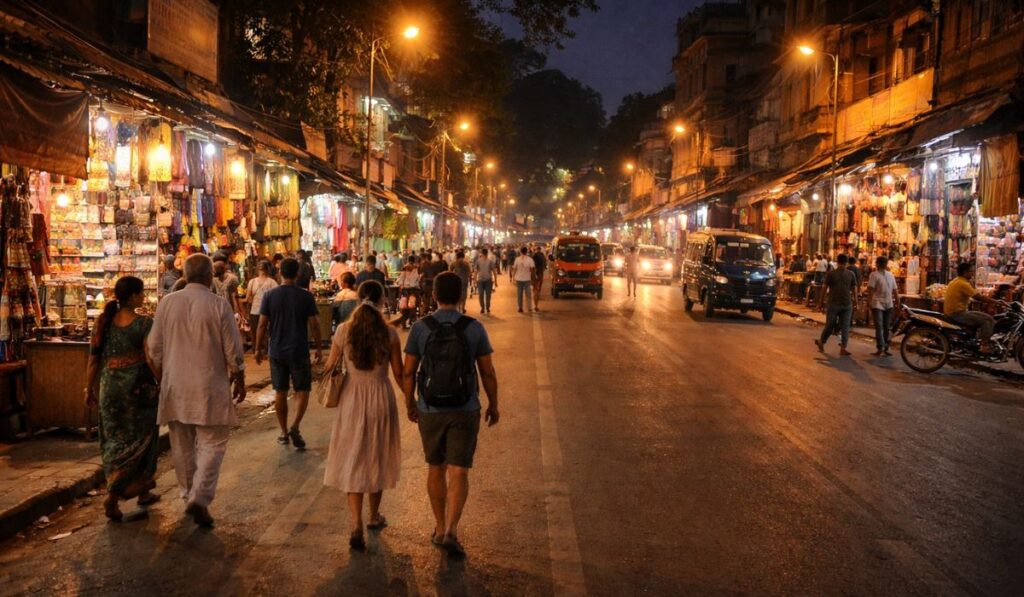
Yes – Varanasi’s tourist districts are largely safe at night, though normal city-cautions apply. The ghats and markets remain lively with locals, pilgrims and visitors, which deters serious crime. In fact, many visitors report feeling comfortable in Varanasi at night, especially in busy tourist areas. Police patrols are common around major temples and ghats. Violent crime against tourists is rare. Still, pickpocketing can occur in crowded areas, so it’s wise to keep valuables hidden. In busy spots like the Dashashwamedh Ghat after the Ganga Aarti, the crowds and lights make the atmosphere feel quite safe. By contrast, venturing alone into pitch-dark alleyways or very remote ghats is not recommended.
Which Areas Are Safe to Visit at Night in Varanasi?
Most tourist-frequented areas with crowds and lighting are fairly safe at night:
Dashashwamedh Ghat – The site of the famous evening Aarti ceremony. It stays brightly lit and packed with people until about 9–10 PM. Police and guides are often present, making this a secure spot for tourists.
Assi Ghat – A popular southern ghat known for its cafes, youth hangouts, and gentle riverside vibe. The area is well-populated and well-lit, with bars and guesthouses catering to travelers.
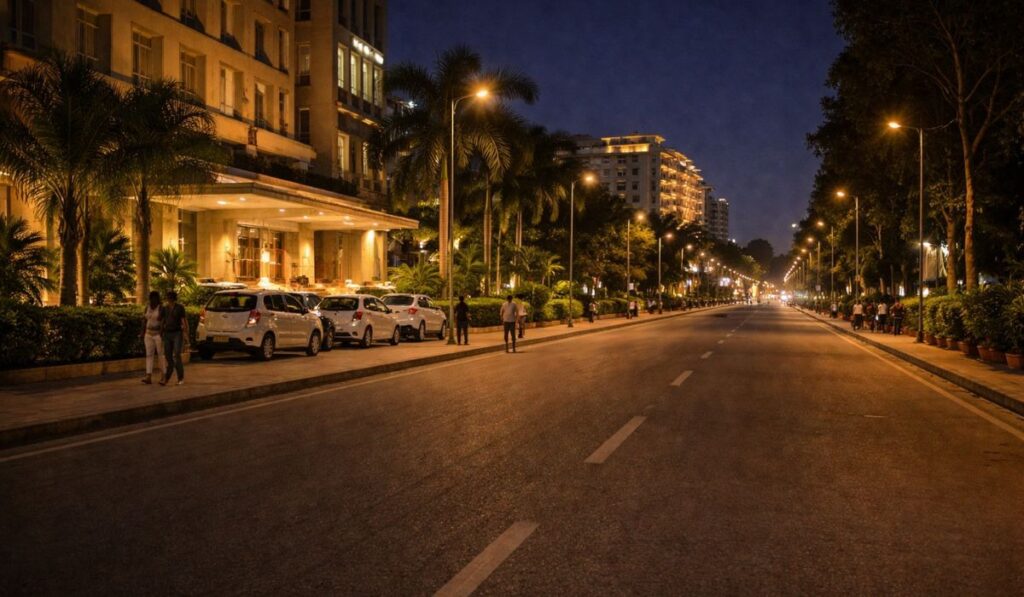
Cantonment (Cantt) Area – The modern part of Varanasi near the train station. Wide boulevards, larger hotels and chain restaurants make this neighborhood feel safe. Cars and taxis can drive right to most hotels here, and the streets are busy into the night.
These places are commonly recommended for visitors because they are well-lit, well-traveled, and have plenty of other tourists. In general, areas with heavy foot traffic and open roads are safest after dark.
Areas Tourists Should Avoid Late at Night
Some parts of Varanasi are best skipped after dark to stay safe:
Narrow old-city lanes. The twisting alleyways of the old town can become very confusing at night. Street lights may be dim or absent, and it’s easy to lose your way. It’s best not to wander alone in these tiny lanes late at night.
Varanasi Junction area (railway station). While the Cantt area is generally okay, the station vicinity is known for aggressive touts and pickpockets. It’s safer to book a taxi from the station than to walk around.
Isolated stretches along the Ganges. Some minor ghats or riverbanks away from the main centers become nearly deserted after midnight. There’s little lighting or police presence. Tourists should avoid sitting alone on empty ghats late at night.
Empty ghats after midnight. After around 11 PM to midnight, even the main ghats begin to clear out. Without crowds or priests around, these can feel eerie. It’s wise to be indoors or with a group by this hour.
In short, busy, open areas are safe, but quiet, isolated spots can be risky. Always plan your return route in advance and stick to well-lit roads back to your accommodation.
Is It Safe to Walk Near Ghats at Night?
Walking along the ghats at night can be pleasant, but with caveats. Early evening (until about 9–10 PM) is usually fine – the popular ghats are full of people watching the Ganga Aarti and enjoying the scene. Police and pilgrims are around, and lighted lamps on the steps make navigation easy. However, late at night (after the ceremonies end) the ghats become much quieter. With few pedestrians, you should be more cautious. Locals advise not to wander off alone into unlit areas of the ghats after the Aarti is over.
Pickpockets can sometimes be active in the bustle of the Aarti crowds, so keep wallets and phones secure in front pockets or a zipped bag. In short, enjoy the ghat atmosphere in the early evening – but once things quiet down, head back with company or use a cab. Trust well-marked paths, avoid venturing too far off, and ask hotel staff if you need directions at night.
Choosing the right season also makes a difference, so you may want to read about the best time to visit Varanasi for a comfortable experience.
Is Varanasi Safe at Night for Solo Female Travellers?
Solo female visitors can safely enjoy many parts of Varanasi after dark, but with extra caution. The city is a normal, crowded urban environment, so lone women should follow the same smart practices they would anywhere in India. That means staying in well-populated areas, dressing modestly, and avoiding isolated spots.
Most incidents in Varanasi are non-violent (men may stare or offer unsolicited selfies, for example). According to local advice, female travelers should avoid walking deep into alleys alone at night. Instead, plan to share transport or walk with others. Women-only taxis (the Pink Taxi service) are available and should be pre-booked for late-night trips. It’s wise to return to your hotel by around 10–11 PM when fewer people are around.
In practice, many solo women visit Varanasi without problems, but they often head home before it gets very late and use cabs or secure auto-rickshaws after dark. Quick tips: wear a simple wedding band, use the polite “no thank you” rule if approached, and have a charged phone with you. By blending in (covering shoulders and knees) and sticking to the well-lit ghats and main roads, solo women can feel confident at night.
Night Transport Safety in Varanasi
Getting around Varanasi at night is generally straightforward if you choose your transport wisely. Pre-booked taxi or auto services are safest after dark. Avoid hailing random tuk-tuks or e-rickshaws from the street; instead use a hotel’s booked car or call a cab company.
Auto-rickshaws and E-rickshaws: These are common for short hops. Confirm the price before you ride, especially late at night, to avoid being overcharged. Using ride-share apps (Uber/Ola) as a fare reference can help negotiate with drivers on the spot. E-rickshaws (battery rickshaws) are slower but cover the same areas; they’re generally safe in the Cantonment and ghat areas.
Taxis (app or street): App-based cars can be used, but sometimes drivers cancel once they see a far destination. It’s often better to book ahead (via your hotel or call) at night.
Women-only Pink Taxis: For solo women, Varanasi has a women-driven Pink Taxi service that must be pre-booked by phone. This offers extra peace of mind late at night.
Boat rides at night: Official river trips end before dark. Avoid unofficial or unlicensed boatmen asking for nighttime rides (these can be overpriced or risky).
In summary, use pre-arranged or app-based cars for late-night rides, and negotiate fares up front. If traveling from the airport or train station after midnight, have a verified driver waiting or book through a reputable service. This approach largely eliminates trouble and makes night travel smooth.
Common Night-Time Scams to Watch Out For
Varanasi is rich in culture, but like all tourist spots, it has its share of scams – even at night. None of these are violent, but they can spoil your trip. Key scams include:
Overcharging on rides: Unscrupulous auto-rickshaw or taxi drivers may quote high prices or take longer routes for more fare. Always insist on a price or use a meter/app.
Fake guides and touts: After the evening Aarti, you might meet unofficial “guides” who insist on taking you to shops or offering tours, then demand large fees. Politely decline; book any tour in advance or via your hotel.
Priest/Donation scams: On the ghats or near temples, men posing as priests may perform a blessing (e.g. applying a tilak) and then demand a big donation. Others may claim to collect money for cremation wood or orphanages. Avoid these approaches: a firm “no, thank you” is your best response, and never hand over cash.
Pickpocketing in crowds: Busy places (especially around the Aarti and markets) attract pickpockets. Keep bags zipped and phones in front pockets.
Temple locker/offer tricks: Be wary of people outside temples offering to hold your belongings or sell prasad; they sometimes pressure you into buying overpriced items. Use official temple lockers and buy offerings only at temple counters.
By staying alert to these common schemes, most tourists avoid trouble. (Remember, none of these involve violence – they are about confusing you or making easy money.) If something feels off (pressure to pay or insistence on a certain location), walk away and stay in a group.
Simple Night Safety Tips for Varanasi
Keep valuables secure. Carry your wallet, phone and passport inside a front pocket or zipped bag. Avoid flashy jewelry.
Use maps and landmarks. Pre-save Google Maps or note key landmarks in advance. Stay on main roads; don’t be afraid to ask a shopkeeper or guard for directions if lost.
Stay in groups when possible. There’s safety in numbers. If going out for dinner or sightseeing, go with friends or fellow travelers, especially late in the evening.
Share your plans. Let someone (hotel staff or a friend) know your evening itinerary and roughly what time you’ll be back. Save emergency numbers in your phone: dial 112 for any emergency, or 100 for police.
Dress and act confident. Blend in with loose, conservative clothing (cover shoulders and knees). Walk purposefully, even if you’re unsure of the way. If approached by strangers, respond firmly without smiling and walk on.
Book transport ahead. For late-night rides, use pre-booked hotel cars or trusted taxi apps rather than flagging random cabs. Women should consider the Pink Taxi option.
Stay sober and alert. Avoid excessive drinking or getting drowsy in public spaces. Observe your surroundings – trust your instincts. If a situation or person feels off, leave.
Know local help. The UP police have tourist help lines (dial 112 or 1363 for the tourist helpline). Keep your hotel’s address and phone number handy in case you need to call a cab or share it with a driver.
These simple precautions (many of which you’d use in any unfamiliar city) go a long way. They allow you to enjoy Varanasi’s nighttime charm without worry.
Final Verdict: Should Tourists Worry About Night Safety in Varanasi?
In summary, most tourists have a safe and enriching time exploring Varanasi after dark. The vibrant ghats, temples and riverside ceremonies are guarded by crowds and often police, making them secure zones. Reports show a low incidence of serious crime (most people say they feel safe at night).
That said, Varanasi is still a bustling Indian city. Common-sense precautions keep things smooth: stick to well-trafficked, lit areas; avoid unknown alleyways; secure your belongings; and pre-arrange rides after a certain hour. By following the tips above, you can freely enjoy evening boat rides and Aarti ceremonies without undue fear.
Ultimately, you shouldn’t let night-time worries stop you from visiting. Millions of domestic and international travelers confidently experience Varanasi’s night-time rituals and markets every year. Just go with your awareness up, and you’ll likely leave with wonderful memories of Varanasi at night, not regrets.
Planning a Safe Varanasi Trip? Get Local Guidance & Tour Assistance
Trusted local experts • Night travel tips • Custom tour planning
Is Varanasi safe to roam at night? Generally yes, especially in well-populated areas. The ghats and temples remain busy into the evening. However, avoid deserted streets or narrow lanes after dark, and keep valuables secure against pickpockets.
Is it safe to attend Ganga Aarti at night? Yes – attending the Ganga Aarti at Dashashwamedh Ghat is a popular and safe activity. It takes place at dusk with large crowds and security around. Just stay with your group and watch your belongings in the crowd.
Can solo female travellers go out at night in Varanasi? Solo women can go out at night in the main areas, but should exercise caution. It’s best to head out with others after dark, use women-only taxi services, and return to the hotel by 10–11 PM when the streets quiet down.
Which ghat is safest at night? Dashashwamedh Ghat and Assi Ghat are considered among the safest. They are well-lit, bustling with people in the evening, and often patrolled by police. Assi Ghat, in particular, is noted for being a favorite spot with friendly crowds.
Are night cabs reliable in Varanasi? Yes, night cabs can be reliable if you book them through your hotel or a trusted app. Use Uber/Ola or the women-only Pink Taxi service after dark, and confirm the fare in advance. Pre-booked taxis are safer than flagging one on the street.
What time should tourists return to hotel at night? There’s no formal curfew, but for safety most travelers aim to be back by around 10–11 PM. By then the big ghats and markets begin to empty. Planning to head home by 10 PM is a good rule of thumb to avoid late-night uncertainty.
Planning to Visit the Taj Mahal?
After experiencing the spiritual atmosphere of Varanasi, many travellers visit Agra to see the Taj Mahal. You may find these guides useful:


Comments