<!-- wp:paragraph -->
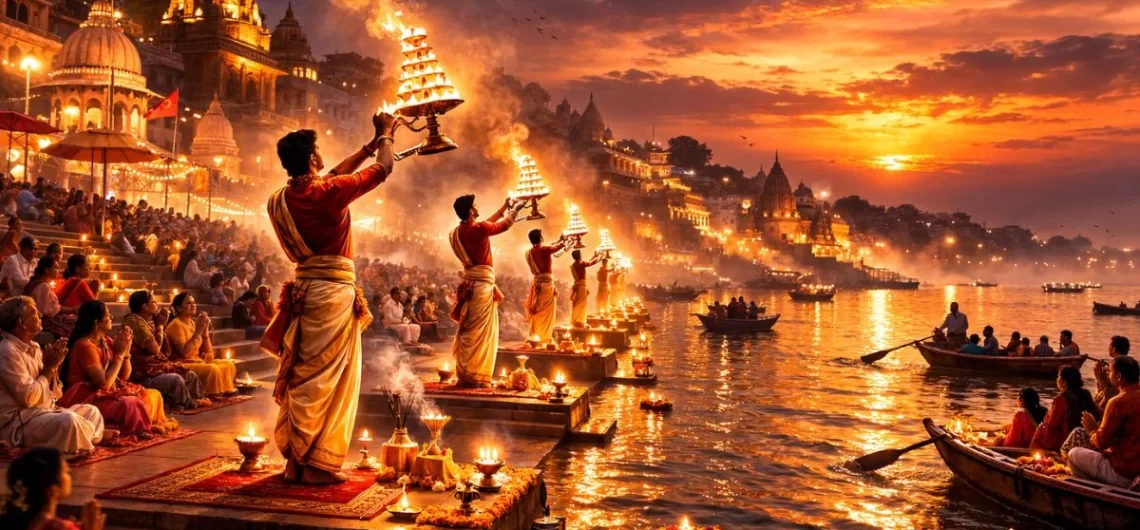
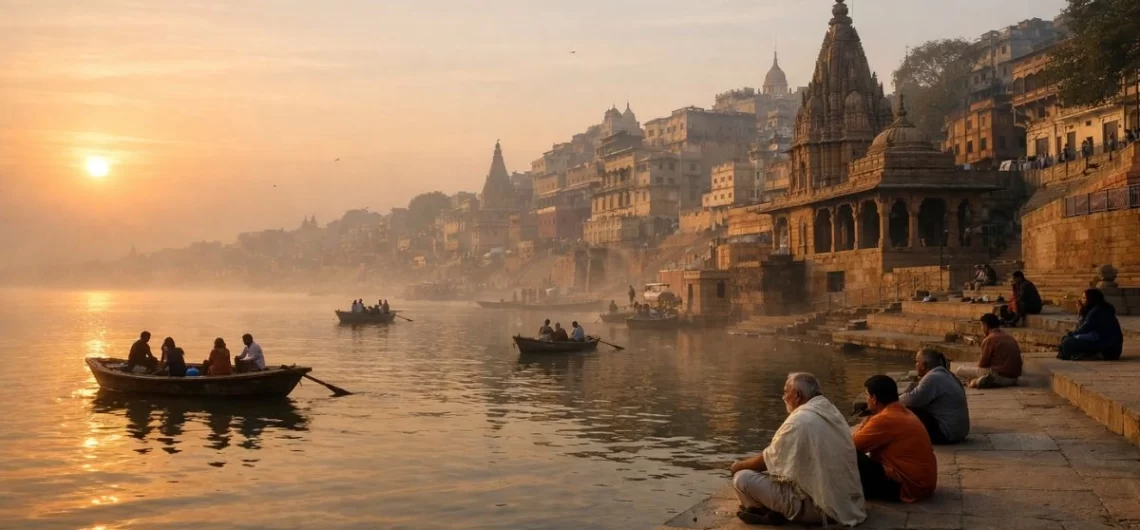
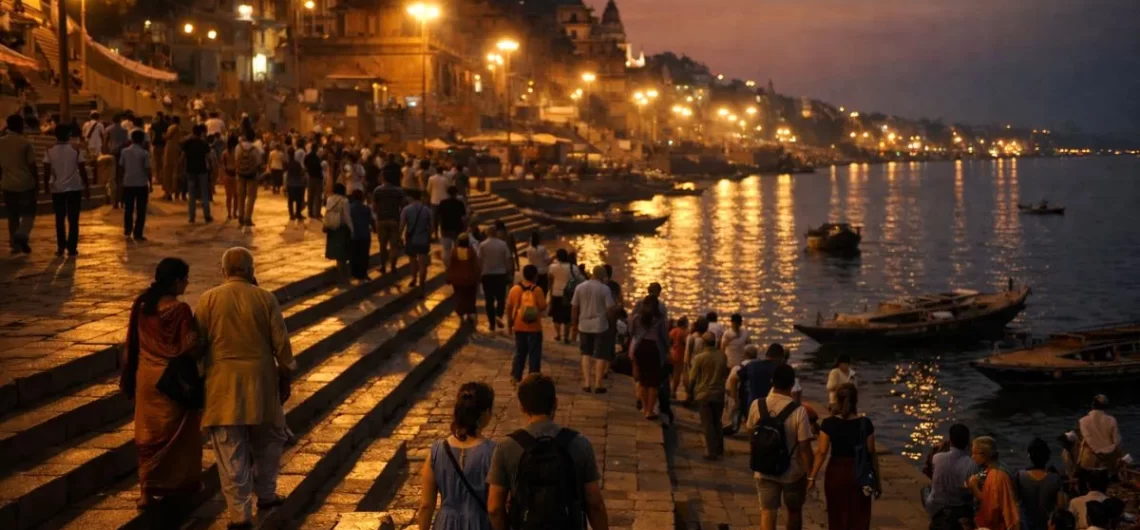
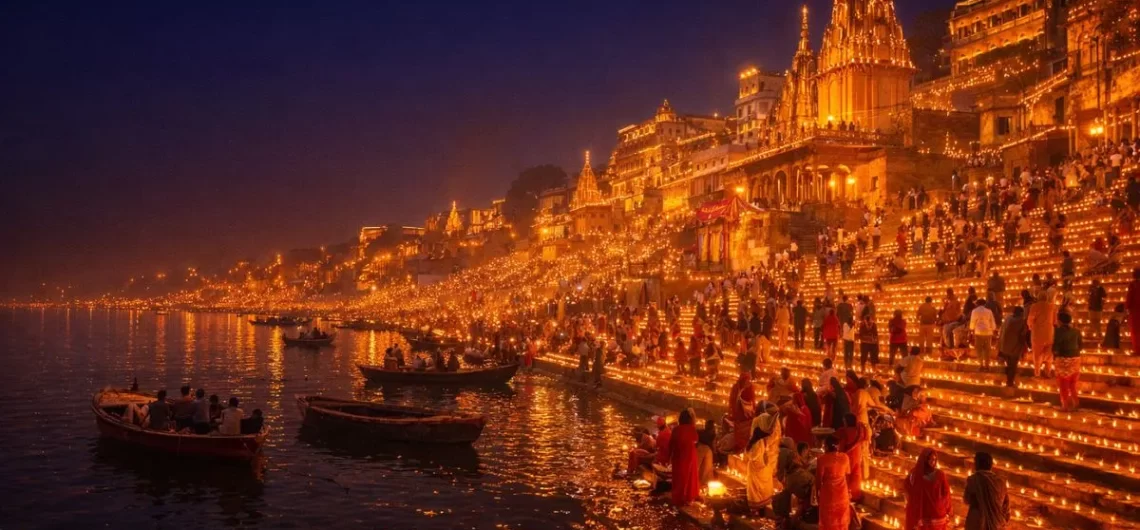
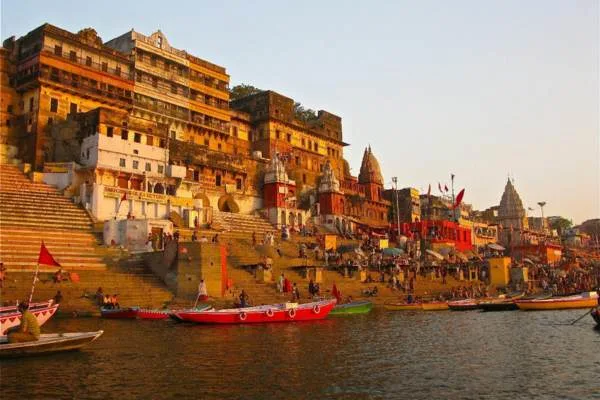
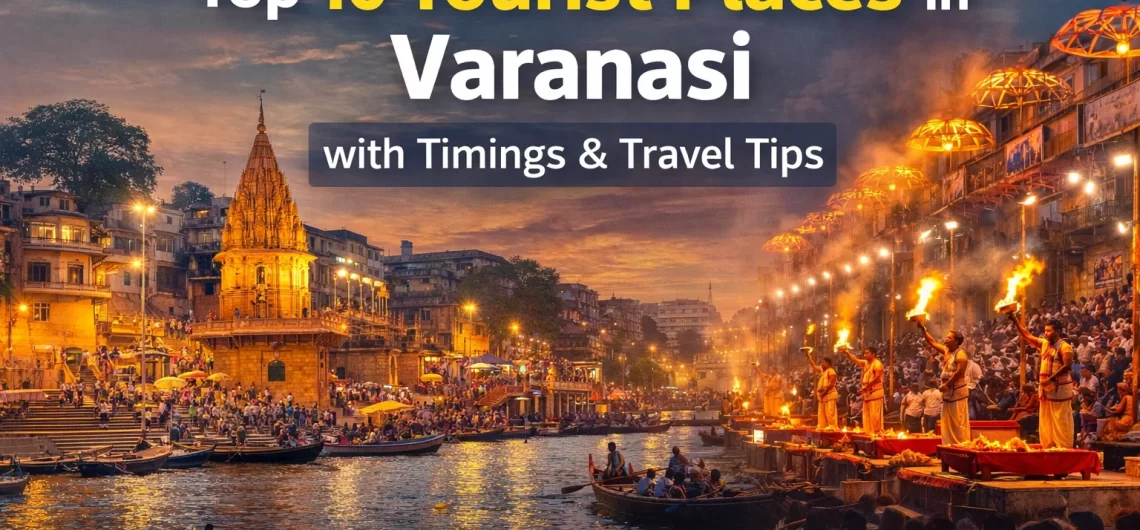
<p>Varanasi is one of the world’s oldest continuously inhabited cities and is often called the <strong>spiritual capital of India</strong>. Its ghats and temples along the Ganges River create a deeply cultural and emotional atmosphere. Hindu pilgrims flock here to bathe in the sacred river and perform daily rituals. The city’s narrow alleys bustle with markets selling silk and paan, and it boasts around <strong>2,000 temples</strong>, including the famous <strong>Kashi Vishwanath Temple</strong>. For first-time visitors, experiencing the sunrise boat ride and evening aarti (prayer ceremony) on the ghats will leave a lasting impression. This Varanasi travel guide covers top places to visit in Varanasi, with practical tips on timing, entry fees, and the best time to go.</p>
<!-- /wp:paragraph -->
<!-- wp:html -->
<style>
.free-varanasi-box {
background:#f3f4f6;
padding:35px 20px;
border-radius:14px;
max-width:900px;
margin:40px auto;
text-align:center;
font-family:Arial, sans-serif;
}
.free-varanasi-box h2 {
font-size:26px;
margin-bottom:12px;
color:#222;
}
.free-varanasi-box p {
font-size:16px;
color:#555;
margin-bottom:22px;
}
.free-varanasi-btn {
background:#ff6b00;
color:#fff;
padding:14px 32px;
border-radius:8px;
text-decoration:none;
font-weight:bold;
display:inline-block;
transition:0.3s ease;
}
.free-varanasi-btn:hover {
background:#e65c00;
}
</style>
<div class="free-varanasi-box">
<h2>Planning a Varanasi Trip? Get a Free Personalised Travel Plan</h2>
<p>
Not sure what to visit first? We’ll help you plan the best route covering
temples, ghats, Ganga Aarti and nearby attractions.
</p>
<a href="https://www.bestvaranasitour.com/plan-my-trip/" class="free-varanasi-btn">
Claim My Free Varanasi Plan
</a>
</div>
<!-- /wp:html -->
<!-- wp:heading -->
<h2 class="wp-block-heading" id="h-1-kashi-vishwanath-temple"><strong>1. Kashi Vishwanath Temple</strong><strong></strong></h2>
<!-- /wp:heading -->
<!-- wp:image {"id":3474,"sizeSlug":"large","linkDestination":"none"} -->
<figure class="wp-block-image size-large"><img src="https://www.bestvaranasitour.com/wp-content/uploads/2026/02/Kashi-Vishwanath-Temple-1024x512.jpg" alt="Kashi Vishwanath Temple" class="wp-image-3474"/></figure>
<!-- /wp:image -->
<!-- wp:paragraph -->
<p>A gilded-spire temple dedicated to Lord Shiva, this Jyotirlinga shrine is the holiest temple in Varanasi. Millions of devotees visit its inner sanctum to offer prayers and witness the magnificent architecture. The temple’s gold-plated spire glows in the morning sun, creating a powerful spiritual ambience.</p>
<!-- /wp:paragraph -->
<!-- wp:list -->
<ul class="wp-block-list"><!-- wp:list-item -->
<li><strong>Timings:</strong> 3:00 AM – 11:00 PM daily.<br></li>
<!-- /wp:list-item -->
<!-- wp:list-item -->
<li><strong>Entry Fee:</strong> Free.<br></li>
<!-- /wp:list-item -->
<!-- wp:list-item -->
<li><strong>Best Time to Visit:</strong> Early morning in winter (Oct–Mar) to avoid crowds and heat.<br></li>
<!-- /wp:list-item -->
<!-- wp:list-item -->
<li><strong>Travel Tip:</strong> Cover your head and dress modestly before entering. Arrive early for a shorter queue at Mangala Aarti (pre-dawn ritual).<br></li>
<!-- /wp:list-item --></ul>
<!-- /wp:list -->
<!-- wp:heading -->
<h2 class="wp-block-heading" id="h-2-dashashwamedh-ghat"><strong>2. Dashashwamedh Ghat</strong><strong></strong></h2>
<!-- /wp:heading -->
<!-- wp:image {"id":3475,"sizeSlug":"large","linkDestination":"none"} -->
<figure class="wp-block-image size-large"><img src="https://www.bestvaranasitour.com/wp-content/uploads/2026/02/Dashashwamedh-Ghat-1024x512.jpg" alt="Dashashwamedh Ghat" class="wp-image-3475"/></figure>
<!-- /wp:image -->
<!-- wp:paragraph -->
<p>The oldest and busiest riverfront steps (ghat) in Varanasi, famous for its <strong>spectacular Ganga Aarti</strong> each evening. Built in the 18th century, Dashashwamedh Ghat is a bustling gathering place for pilgrims and tourists alike. During sunset, priests perform a mesmerizing aarti with fire, music and chanting, drawing large crowds.</p>
<!-- /wp:paragraph -->
<!-- wp:list -->
<ul class="wp-block-list"><!-- wp:list-item -->
<li><strong>Timings:</strong> Open 24 hours (no gates).<br></li>
<!-- /wp:list-item -->
<!-- wp:list-item -->
<li><strong>Entry Fee:</strong> None.<br></li>
<!-- /wp:list-item -->
<!-- wp:list-item -->
<li><strong>Best Time to Visit:</strong> Winter evenings (Oct–Mar) for pleasant weather and a vibrant aarti ceremony.<br></li>
<!-- /wp:list-item -->
<!-- wp:list-item -->
<li><strong>Travel Tip:</strong> Arrive about 30 minutes before the 7:00 PM aarti to secure a good vantage point on the steps.<br></li>
<!-- /wp:list-item --></ul>
<!-- /wp:list -->
<!-- wp:heading -->
<h2 class="wp-block-heading" id="h-3-manikarnika-ghat"><strong>3. Manikarnika Ghat</strong><strong></strong></h2>
<!-- /wp:heading -->
<!-- wp:image {"id":3476,"sizeSlug":"large","linkDestination":"none"} -->
<figure class="wp-block-image size-large"><img src="https://www.bestvaranasitour.com/wp-content/uploads/2026/02/Manikarnika-Ghat-1024x512.jpg" alt="Manikarnika Ghat" class="wp-image-3476"/></figure>
<!-- /wp:image -->
<!-- wp:paragraph -->
<p>The principal cremation ghat of Varanasi, where Hindus cremate their deceased on funeral pyres by the Ganges. Manikarnika Ghat is considered a sacred place to end one’s life. Though it can be emotionally intense, it is a profound part of Varanasi’s cultural fabric.</p>
<!-- /wp:paragraph -->
<!-- wp:list -->
<ul class="wp-block-list"><!-- wp:list-item -->
<li><strong>Timings:</strong> 24 hours, daily.<br></li>
<!-- /wp:list-item -->
<!-- wp:list-item -->
<li><strong>Entry Fee:</strong> None (public area).<br></li>
<!-- /wp:list-item -->
<!-- wp:list-item -->
<li><strong>Best Time to Visit:</strong> Daytime hours; avoid early morning or late night. The monsoon season (July–Sept) makes the riverbank crowded, so winter is more comfortable.<br></li>
<!-- /wp:list-item -->
<!-- wp:list-item -->
<li><strong>Travel Tip:</strong> Be respectful and unobtrusive. Photography is discouraged near cremation areas; visit quietly and observe local customs.<br></li>
<!-- /wp:list-item --></ul>
<!-- /wp:list -->
<!-- wp:heading -->
<h2 class="wp-block-heading" id="h-4-assi-ghat"><strong>4. Assi Ghat</strong><strong></strong></h2>
<!-- /wp:heading -->
<!-- wp:image {"id":3477,"sizeSlug":"large","linkDestination":"none"} -->
<figure class="wp-block-image size-large"><img src="https://www.bestvaranasitour.com/wp-content/uploads/2026/02/Assi-Ghat-1024x512.jpg" alt="Assi Ghat" class="wp-image-3477"/></figure>
<!-- /wp:image -->
<!-- wp:paragraph -->
<p>A scenic, quieter ghat at the southern tip of the old city, known for its sunrise boat rides and morning cultural activities. Assi Ghat is lined with small temples and yoga spots. At dawn, locals and visitors gather here for boat cruises and to watch the sun rise over the Ganges.</p>
<!-- /wp:paragraph -->
<!-- wp:list -->
<ul class="wp-block-list"><!-- wp:list-item -->
<li><strong>Timings:</strong> 24 hours (open steps).<br></li>
<!-- /wp:list-item -->
<!-- wp:list-item -->
<li><strong>Entry Fee:</strong> None.<br></li>
<!-- /wp:list-item -->
<!-- wp:list-item -->
<li><strong>Best Time to Visit:</strong> Early morning in cooler months (Oct–Mar) for pleasant weather and fewer insects.<br></li>
<!-- /wp:list-item -->
<!-- wp:list-item -->
<li><strong>Travel Tip:</strong> Join a yoga or meditation session on the ghat steps. For a memorable experience, take a sunrise boat ride from Assi Ghat for ₹300–500 (no fixed “entry fee,” boats are chartered locally).<br></li>
<!-- /wp:list-item --></ul>
<!-- /wp:list -->
<!-- wp:html -->
<style>
.free-varanasi-box {
background:#f3f4f6;
padding:35px 20px;
border-radius:14px;
max-width:900px;
margin:40px auto;
text-align:center;
font-family:Arial, sans-serif;
}
.free-varanasi-box h2 {
font-size:26px;
margin-bottom:12px;
color:#222;
}
.free-varanasi-box p {
font-size:16px;
color:#555;
margin-bottom:22px;
}
.free-varanasi-btn {
background:#ff6b00;
color:#fff;
padding:14px 32px;
border-radius:8px;
text-decoration:none;
font-weight:bold;
display:inline-block;
transition:0.3s ease;
}
.free-varanasi-btn:hover {
background:#e65c00;
}
</style>
<div class="free-varanasi-box">
<h2>Planning a Varanasi Trip? Get a Free Personalised Travel Plan</h2>
<p>
Not sure what to visit first? We’ll help you plan the best route covering
temples, ghats, Ganga Aarti and nearby attractions.
</p>
<a href="https://www.bestvaranasitour.com/plan-my-trip/" class="free-varanasi-btn">
Claim My Free Varanasi Plan
</a>
</div>
<!-- /wp:html -->
<!-- wp:heading -->
<h2 class="wp-block-heading" id="h-5-sarnath-dhamekh-stupa"><strong>5. Sarnath (Dhamekh Stupa)</strong><strong></strong></h2>
<!-- /wp:heading -->
<!-- wp:image {"id":3478,"sizeSlug":"large","linkDestination":"none"} -->
<figure class="wp-block-image size-large"><img src="https://www.bestvaranasitour.com/wp-content/uploads/2026/02/Sarnath-Dhamekh-Stupa-1024x512.jpg" alt="Sarnath (Dhamekh Stupa)" class="wp-image-3478"/></figure>
<!-- /wp:image -->
<!-- wp:paragraph -->
<p>About 10 km north of Varanasi, Sarnath is a revered Buddhist pilgrimage site where Lord Buddha gave his first sermon. The massive <strong>Dhamekh Stupa</strong> (50 meters tall) marks the exact spot. Surrounding ruins and an archaeological museum (Buddhist Art Museum) display ancient relics.</p>
<!-- /wp:paragraph -->
<!-- wp:list -->
<ul class="wp-block-list"><!-- wp:list-item -->
<li><strong>Timings:</strong> 6:00 AM – 5:00 PM daily.<br></li>
<!-- /wp:list-item -->
<!-- wp:list-item -->
<li><strong>Entry Fee:</strong> ₹25 (per person).<br></li>
<!-- /wp:list-item -->
<!-- wp:list-item -->
<li><strong>Best Time to Visit:</strong> Winter (Oct–Mar) mornings when it’s cool. Festivals like Buddha Purnima (April/May) can be interesting times.<br></li>
<!-- /wp:list-item -->
<!-- wp:list-item -->
<li><strong>Travel Tip:</strong> Hire a local guide or audio guide at the site to understand its rich history. Wear comfortable shoes for walking among the ruins and museum.</li>
<!-- /wp:list-item --></ul>
<!-- /wp:list -->
<!-- wp:heading -->
<h2 class="wp-block-heading" id="h-6-sankat-mochan-hanuman-temple"><strong>6. Sankat Mochan Hanuman Temple</strong><strong></strong></h2>
<!-- /wp:heading -->
<!-- wp:image {"id":3479,"sizeSlug":"large","linkDestination":"none"} -->
<figure class="wp-block-image size-large"><img src="https://www.bestvaranasitour.com/wp-content/uploads/2026/02/Sankat-Mochan-Hanuman-Temple-1024x512.jpg" alt="Sankat Mochan Hanuman Temple" class="wp-image-3479"/></figure>
<!-- /wp:image -->
<!-- wp:paragraph -->
<p>A 16th-century temple dedicated to Lord Hanuman, founded by the saint Tulsidas. This vibrant temple is known for its powerful Hanuman idol. Tuesdays and Saturdays see special crowds for Hanuman Chalisa prayers. The temple complex is surrounded by a peaceful grove (lotus pond), offering respite from the city bustle.</p>
<!-- /wp:paragraph -->
<!-- wp:list -->
<ul class="wp-block-list"><!-- wp:list-item -->
<li><strong>Timings:</strong> 5:00 AM – 10:00 PM daily.<br></li>
<!-- /wp:list-item -->
<!-- wp:list-item -->
<li><strong>Entry Fee:</strong> None.<br></li>
<!-- /wp:list-item -->
<!-- wp:list-item -->
<li><strong>Best Time to Visit:</strong> Early morning or evening; Tuesdays and Saturdays are auspicious. The area is greener in monsoon (July–Sept), though rain can disrupt visits.<br></li>
<!-- /wp:list-item -->
<!-- wp:list-item -->
<li><strong>Travel Tip:</strong> Leave footwear outside and remove mobiles (no photography). Many offer bananas or sweets to Hanuman as prasad (offering) here.<br></li>
<!-- /wp:list-item --></ul>
<!-- /wp:list -->
<!-- wp:heading -->
<h2 class="wp-block-heading" id="h-7-tulsi-manas-mandir"><strong>7. Tulsi Manas Mandir</strong><strong></strong></h2>
<!-- /wp:heading -->
<!-- wp:image {"id":3480,"sizeSlug":"large","linkDestination":"none"} -->
<figure class="wp-block-image size-large"><img src="https://www.bestvaranasitour.com/wp-content/uploads/2026/02/Tulsi-Manas-MandirRamnagar-Fort-Museum-1024x512.jpg" alt="Tulsi Manas Mandir" class="wp-image-3480"/></figure>
<!-- /wp:image -->
<!-- wp:paragraph -->
<p>A marble temple built in 1964, where the Hindu epic <em>Ramcharitmanas</em> (Ramayana in local dialect) was written by poet Tulsidas. The temple’s walls are engraved with verses from the Ramayana and it houses idols of Lord Ram’s family. Nearby, the ancient Durga Kund (“Monkey Temple”) is also worth a quick visit.</p>
<!-- /wp:paragraph -->
<!-- wp:list -->
<ul class="wp-block-list"><!-- wp:list-item -->
<li><strong>Timings:</strong> 5:30 AM – 12:00 PM, then 3:30 PM – 9:00 PM.<br></li>
<!-- /wp:list-item -->
<!-- wp:list-item -->
<li><strong>Entry Fee:</strong> Free (temple); a small fee (≈₹3) to enter the Sanskrit gallery.<br></li>
<!-- /wp:list-item -->
<!-- wp:list-item -->
<li><strong>Best Time to Visit:</strong> Winter months (Oct–Mar) for festival activities like Dev Deepawali (Nov) or Ram Navami (March-April).<br></li>
<!-- /wp:list-item -->
<!-- wp:list-item -->
<li><strong>Travel Tip:</strong> Read or listen to verses of the Ramayana here. The quiet garden is ideal for a short rest. No cameras or shoes inside.<br></li>
<!-- /wp:list-item --></ul>
<!-- /wp:list -->
<!-- wp:heading -->
<h2 class="wp-block-heading" id="h-8-ramnagar-fort-amp-museum"><strong>8. Ramnagar Fort & Museum</strong><strong></strong></h2>
<!-- /wp:heading -->
<!-- wp:image {"id":3482,"sizeSlug":"large","linkDestination":"none"} -->
<figure class="wp-block-image size-large"><img src="https://www.bestvaranasitour.com/wp-content/uploads/2026/02/Ramnagar-Fort-Museum-1-1024x512.jpg" alt=" Ramnagar Fort & Museum" class="wp-image-3482"/></figure>
<!-- /wp:image -->
<!-- wp:paragraph -->
<p>An 18th-century wooden fort and palace on the Ganges’ east bank, built by the local king. It features a mix of Indian and Islamic architecture, a royal collection of vintage cars, an ancient clock, and a museum with weapons and artifacts. The fort overlooks the river and is famous for its annual Ram Leela festival (October).</p>
<!-- /wp:paragraph -->
<!-- wp:list -->
<ul class="wp-block-list"><!-- wp:list-item -->
<li><strong>Timings:</strong> 10:00 AM – 5:00 PM daily.<br></li>
<!-- /wp:list-item -->
<!-- wp:list-item -->
<li><strong>Entry Fee:</strong> ₹80 for Indians, ₹200 for foreigners.<br></li>
<!-- /wp:list-item -->
<!-- wp:list-item -->
<li><strong>Best Time to Visit:</strong> March–September. Although hotter in summer, this coincides with many local festivals (e.g. Ram Leela in autumn). Winter afternoons are cool and less crowded.<br></li>
<!-- /wp:list-item -->
<!-- wp:list-item -->
<li><strong>Travel Tip:</strong> Bring sun protection (hat, water) as much is outdoors. Don’t miss the museum’s astrological clock and vintage car collection. Photography is allowed (no extra fee) but watch for signs.<br></li>
<!-- /wp:list-item --></ul>
<!-- /wp:list -->
<!-- wp:heading -->
<h2 class="wp-block-heading" id="h-9-bharat-mata-mandir"><strong>9. Bharat Mata Mandir</strong><strong></strong></h2>
<!-- /wp:heading -->
<!-- wp:image {"id":3483,"sizeSlug":"large","linkDestination":"none"} -->
<figure class="wp-block-image size-large"><img src="https://www.bestvaranasitour.com/wp-content/uploads/2026/02/Bharat-Mata-Mandir-1024x512.jpg" alt="Bharat Mata Mandir" class="wp-image-3483"/></figure>
<!-- /wp:image -->
<!-- wp:paragraph -->
<p>A unique temple dedicated to “Mother India.” Instead of idols, it houses a large white marble relief map of undivided India (1930s era). Surrounded by a green garden, it’s meant to inspire patriotism. It was inaugurated by Mahatma Gandhi.</p>
<!-- /wp:paragraph -->
<!-- wp:list -->
<ul class="wp-block-list"><!-- wp:list-item -->
<li><strong>Timings:</strong> 9:30 AM – 8:00 PM daily.<br></li>
<!-- /wp:list-item -->
<!-- wp:list-item -->
<li><strong>Entry Fee:</strong> Free.<br></li>
<!-- /wp:list-item -->
<!-- wp:list-item -->
<li><strong>Best Time to Visit:</strong> Winter (Oct–Mar), when the garden is lush and weather is pleasant.<br></li>
<!-- /wp:list-item -->
<!-- wp:list-item -->
<li><strong>Travel Tip:</strong> Photography inside is allowed – a rarity for Indian temples. The temple’s calm garden is a nice break from the crowds. Nearby spots include Durga Temple and Assi Ghat.<br></li>
<!-- /wp:list-item --></ul>
<!-- /wp:list -->
<!-- wp:heading -->
<h2 class="wp-block-heading" id="h-10-new-vishwanath-temple-bhu"><strong>10. New Vishwanath Temple (BHU)</strong><strong></strong></h2>
<!-- /wp:heading -->
<!-- wp:image {"id":3484,"sizeSlug":"large","linkDestination":"none"} -->
<figure class="wp-block-image size-large"><img src="https://www.bestvaranasitour.com/wp-content/uploads/2026/02/New-Vishwanath-Temple-BHU-1024x512.jpg" alt="New Vishwanath Temple (BHU)" class="wp-image-3484"/></figure>
<!-- /wp:image -->
<!-- wp:paragraph -->
<p>Also called the Birla Temple, it is a modern replica of Kashi Vishwanath built in 1966 on the Banaras Hindu University campus. Made of Italian marble, it has nine shrines under one roof, with the main Shiva temple below and other deities above. It is one of the tallest temple towers in the world (253 feet).</p>
<!-- /wp:paragraph -->
<!-- wp:list -->
<ul class="wp-block-list"><!-- wp:list-item -->
<li><strong>Timings:</strong> 4:00 AM – 12:00 PM & 1:00 PM – 9:00 PM daily.<br></li>
<!-- /wp:list-item -->
<!-- wp:list-item -->
<li><strong>Entry Fee:</strong> Free.<br></li>
<!-- /wp:list-item -->
<!-- wp:list-item -->
<li><strong>Best Time to Visit:</strong> October–March, especially early morning for a quiet darshan or during Maha Shivaratri (Feb/Mar) for festive aarti.<br></li>
<!-- /wp:list-item -->
<!-- wp:list-item -->
<li><strong>Travel Tip:</strong> It can get crowded at midday. Visit after 4:00 PM to join the evening aarti when the temple glows with lights. The BHU campus is spacious and green – pair this visit with the nearby Bharat Kala Bhavan museum.<br></li>
<!-- /wp:list-item --></ul>
<!-- /wp:list -->
<!-- wp:heading -->
<h2 class="wp-block-heading" id="h-suggested-2-day-itinerary"><strong>Suggested 2-Day Itinerary</strong></h2>
<!-- /wp:heading -->
<!-- wp:list {"ordered":true} -->
<ol class="wp-block-list"><!-- wp:list-item -->
<li><strong>Day 1:</strong> Start before dawn with a <strong>sunrise boat ride</strong> from Assi Ghat to see the ghats glow golden (6:00 AM in winter). Return to visit <strong>Kashi Vishwanath Temple</strong> and <strong>Tulsi Manas Mandir</strong> in the morning. Explore the old city markets for silk and snacks. In the afternoon, relax and head to <strong>Dashashwamedh Ghat</strong> by early evening to witness the vibrant <strong>Ganga Aarti</strong>. End Day 1 with dinner at a rooftop restaurant overlooking the river.<br></li>
<!-- /wp:list-item -->
<!-- wp:list-item -->
<li><strong>Day 2:</strong> Drive or taxi to <strong>Sarnath</strong> early (30 minutes). See the <strong>Dhamekh Stupa</strong> and Sarnath Museum. Return by midday to visit <strong>Sankat Mochan Temple</strong> and <strong>Bharat Mata Mandir</strong>. Late afternoon, cross to <strong>Ramnagar Fort</strong>, tour the museum, and watch the sunset from the riverbank. If time allows, stroll along Assi or Dashashwamedh Ghat again after dark for peaceful river views.<br></li>
<!-- /wp:list-item --></ol>
<!-- /wp:list -->
<!-- wp:html -->
<style>
.free-varanasi-box {
background:#f3f4f6;
padding:35px 20px;
border-radius:14px;
max-width:900px;
margin:40px auto;
text-align:center;
font-family:Arial, sans-serif;
}
.free-varanasi-box h2 {
font-size:26px;
margin-bottom:12px;
color:#222;
}
.free-varanasi-box p {
font-size:16px;
color:#555;
margin-bottom:22px;
}
.free-varanasi-btn {
background:#ff6b00;
color:#fff;
padding:14px 32px;
border-radius:8px;
text-decoration:none;
font-weight:bold;
display:inline-block;
transition:0.3s ease;
}
.free-varanasi-btn:hover {
background:#e65c00;
}
</style>
<div class="free-varanasi-box">
<h2>Planning a Varanasi Trip? Get a Free Personalised Travel Plan</h2>
<p>
Not sure what to visit first? We’ll help you plan the best route covering
temples, ghats, Ganga Aarti and nearby attractions.
</p>
<a href="https://www.bestvaranasitour.com/plan-my-trip/" class="free-varanasi-btn">
Claim My Free Varanasi Plan
</a>
</div>
<!-- /wp:html -->
<!-- wp:heading -->
<h2 class="wp-block-heading" id="h-conclusion"><strong>Conclusion</strong></h2>
<!-- /wp:heading -->
<!-- wp:paragraph -->
<p>Varanasi’s <strong>cultural and spiritual heritage</strong> makes it a uniquely moving destination. By planning well — visiting in the cooler season, allocating time for darshans and boat rides, and observing local customs — travelers can fully enjoy these sacred places. Smart planning (like lining up early for aarti and balancing temple visits with rest) will help you soak in the magic of Varanasi responsibly and comfortably. Happy travels!</p>
<!-- /wp:paragraph -->
<!-- wp:quote -->
<blockquote class="wp-block-quote"><!-- wp:heading -->
<h2 class="wp-block-heading" id="h-frequently-asked-questions"><strong>Frequently Asked Questions</strong></h2>
<!-- /wp:heading --></blockquote>
<!-- /wp:quote -->
<!-- wp:heading {"level":3} -->
<h3 class="wp-block-heading" id="h-what-are-the-best-places-to-visit-in-varanasi">What are the best places to visit in Varanasi?</h3>
<!-- /wp:heading -->
<!-- wp:paragraph -->
<p>Varanasi’s must-see attractions include the Kashi Vishwanath Temple, the ghats like Dashashwamedh and Assi, the Ghats and Ganga Aarti, Sarnath’s Dhamekh Stupa, Sankat Mochan Temple, Tulsi Manas Mandir, Ramnagar Fort, Bharat Mata Mandir and the New Vishwanath (Birla) Temple. These top spots showcase Varanasi’s unique blend of history, spirituality, and culture.</p>
<!-- /wp:paragraph -->
<!-- wp:heading {"level":3} -->
<h3 class="wp-block-heading" id="h-what-is-the-best-time-to-visit-varanasi">What is the best time to visit Varanasi?</h3>
<!-- /wp:heading -->
<!-- wp:paragraph -->
<p>The ideal time is <strong>October to March</strong> (winter and early spring). The weather is cool and pleasant, making sightseeing comfortable. This period also includes major festivals like Dev Deepawali (Nov) and Kartik Purnima. Summers (Apr–Jun) are very hot, and the monsoon (Jul–Sep) brings heavy rains.</p>
<!-- /wp:paragraph -->
<!-- wp:heading {"level":3} -->
<h3 class="wp-block-heading" id="h-what-are-the-top-things-to-do-in-varanasi">What are the top things to do in Varanasi?</h3>
<!-- /wp:heading -->
<!-- wp:paragraph -->
<p>Don’t miss a <strong>sunrise boat ride</strong> on the Ganges to see bathing pilgrims. Attend the evening <strong>Ganga Aarti</strong> on Dashashwamedh Ghat. Explore the temple circuit (Kashi Vishwanath, Sankat Mochan, Tulsi Manas). Walk the old alleys and bazars for local crafts and street food. A day trip to Sarnath to see Buddhist monuments is also popular.</p>
<!-- /wp:paragraph -->
<!-- wp:heading {"level":3} -->
<h3 class="wp-block-heading" id="h-are-there-any-entry-fees-for-attractions-in-varanasi">Are there any entry fees for attractions in Varanasi?</h3>
<!-- /wp:heading -->
<!-- wp:paragraph -->
<p>Most temples and ghats are free to enter. Exceptions include Dhamekh Stupa in Sarnath (₹25 entry) and Ramnagar Fort (₹80 Indians, ₹200 foreigners). Boat rides and guided tours cost extra but the cultural sites themselves usually do not have a fee.</p>
<!-- /wp:paragraph -->
<!-- wp:heading {"level":3} -->
<h3 class="wp-block-heading" id="h-how-many-days-should-i-spend-in-varanasi">How many days should I spend in Varanasi?</h3>
<!-- /wp:heading -->
<!-- wp:paragraph -->
<p>A 2–3 day visit covers the main highlights. Day 1 can focus on the ghats, temples, and aarti in Old Varanasi. Day 2 can cover Sarnath and any remaining temples (like Sankat Mochan) and a fort or evening ghats. If you have more time, soak in more local experiences (food tour, evening cultural shows, etc.).</p>
<!-- /wp:paragraph -->
<!-- wp:heading -->
<h2 class="wp-block-heading" id="h-related-reads">Related Reads</h2>
<!-- /wp:heading -->
<!-- wp:paragraph -->
<p>If you are planning your trip in detail, you may also find our <strong><a href="https://www.bestvaranasitour.com/varanasi-itinerary-for-2-days/">Varanasi Itinerary for 2 Days</a></strong> helpful for day-wise planning.<br>To choose the right season, check our guide on the <strong><a href="https://www.bestvaranasitour.com/best-time-to-visit-varanasi/">Best Time to Visit Varanasi</a></strong>.<br>Concerned about safety? Read our complete <a href="https://www.bestvaranasitour.com/is-varanasi-safe-to-visit/"><strong>Is Varanasi Safe to Visit</strong> </a>guide before travelling.</p>
<!-- /wp:paragraph -->
<!-- wp:paragraph -->
<p></p>
<!-- /wp:paragraph -->
Varanasi is one of the world’s oldest continuously inhabited cities and is often called the spiritual capital of India. Its