
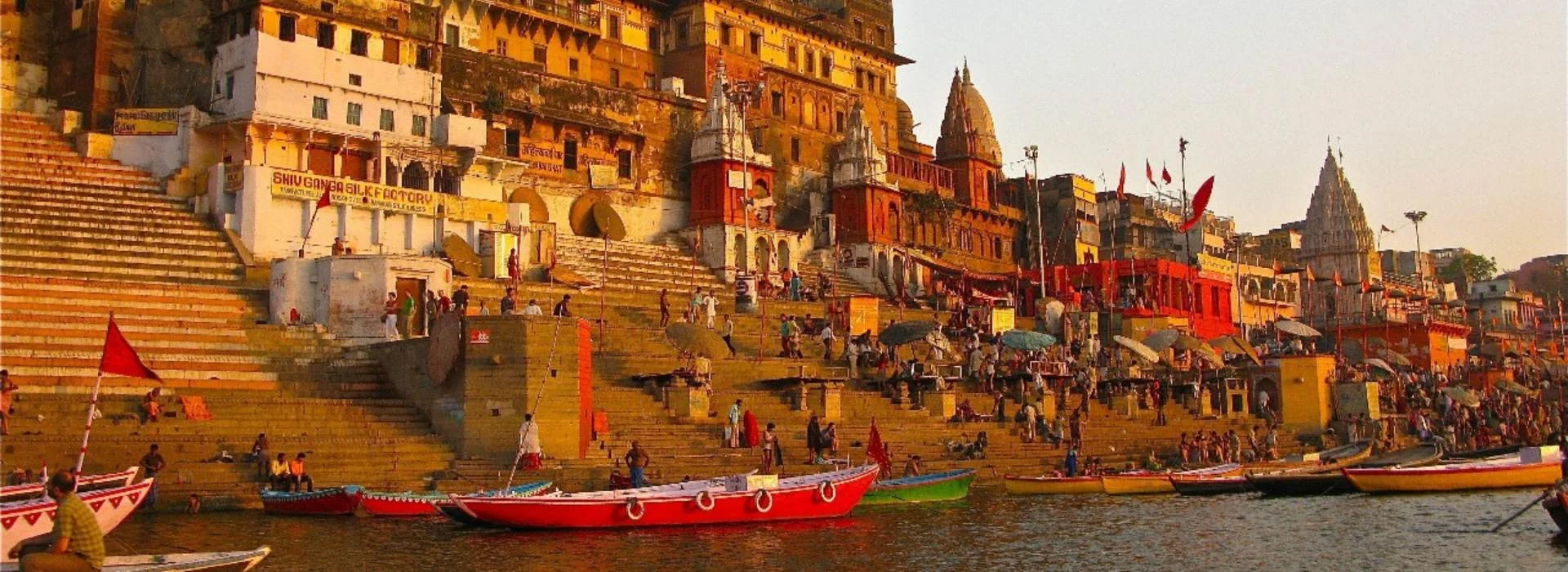
Planning a Safe Trip to Varanasi? Talk to Local Experts for Guidance & Tour Help
Trusted advice • Safe travel planning • Custom itineraries
Plan My Varanasi VisitIf you’d like personalized guidance for a safe and smooth visit, our local team can help.
Is Varanasi safe to visit for tourists? Yes, Varanasi is generally safe for tourists. Most first-time visitors find Varanasi safe when they follow basic travel precautions. The city is busy and crowded, but locals are used to tourists. Violent crime is very rare in Varanasi. By staying alert and respectful, you can avoid most trouble. In general, tourists feel secure walking around during daylight. Read on for detailed tips and answers to common questions.
Is Varanasi Safe to Visit for Tourists?
Yes, Varanasi is generally safe to visit for tourists. The city sees many pilgrims and travelers every day, so locals and police expect and help visitors. Violent incidents are almost unheard of. The biggest issues are usually petty – for example, a tuk-tuk driver might quote a high fare or someone might pickpocket in a crowd. Daytime in Varanasi feels very secure (85% of people say they feel completely safe). Sticking to popular areas like the main ghats, temples, and markets keeps you in well-traveled zones. Use common sense: keep an eye on your belongings and agree on prices for rides or boats ahead of time. With these simple steps, most tourists have no problems in Varanasi.
Is Varanasi Safe for Foreign Tourists?
Yes, Varanasi is generally safe for foreign tourists. Varanasi has a reputation for Atithi Devo Bhava (guest is god), and many residents are friendly to visitors. Tourist information and signage are common, and many people speak some English. The local police maintain a tourist help line (e.g. 1363) and even a Women’s helpline (1091) for emergencies. Foreigners usually experience nothing more than the normal day-to-day hassles of any big city. Rare incidents have occurred (for example, a few tourists were hassled in late 2025 for violating local dress norms), but these were condemned by authorities and are not the norm. In short, if you respect local customs (dress modestly) and use standard precautions, you should feel safe as a foreign visitor.
Is Varanasi Safe for Solo Female Travellers?
Yes, Varanasi can be safe for solo female travelers if they take common-sense precautions. Many women travel alone here and manage well. During the day, Varanasi is busy and lively, and most women report feeling safe walking around the ghats, markets, and temples. However, women should be extra cautious after dark. It is wise not to walk alone through deserted lanes at night. Choose accommodations in busy areas (like Assi Ghat) rather than deep in the old city maze. Dress conservatively – cover your shoulders and knees – to avoid unwanted attention. If you plan to see the evening Ganga Aarti, try to go with a group or be near the main steps, and arrange a taxi or group travel back at night. Overall, with normal precautions (no late-night solo walks, modest dress, staying aware), solo women report safe visits.
Is Varanasi Safe at Night?
Varanasi is fairly safe at night in well-populated areas, but caution is needed. The main ghats and city center still have people in the early evening (for example, after the Ganga Aarti ceremony), so being in those spots is usually fine. According to one safety survey, about 61% of visitors feel fully secure at night in Varanasi. However, as the night deepens and the crowds leave, some areas become dark and quiet. The narrow alleys of the old city are especially tricky and easy to get lost in after dark. It’s safest not to wander alone down isolated lanes at night. Use a taxi or rickshaw to move between areas after sunset. In general, stick to main roads and the ghats with lights and people. If you attend evening events like Aarti, plan a clear, pre-arranged route back – do not try to hike through the maze of alleys on your own.
Common Safety Issues & Tourist Scams
Tourists in Varanasi should watch out for a few common scams and issues. The main ones include:
- Fake Guides: People may approach you claiming to be official guides or temple officials. They then demand high fees or lead you to shops where they get commissions. Always use licensed guides or arrange tours through your hotel.
- Overcharging for Rides: Rickshaw drivers and boat operators often quote inflated fares. Always agree on a price before starting any boat or auto ride. Using app-based taxis (Ola/Uber) can give you a fare estimate to negotiate better.
- Donation/Entrance Scams: At temples and ghats (like the famous burning ghats), some touts insist you must pay money or make a donation. Remember that any “fees” here are optional. Politely decline any requests for unexpected payments.
- Pickpocketing: Keep your belongings secure in crowds. Stash valuables inside zippered bags or money belts. Scams and pickpocketing happen most often in very crowded spots, such as near Dashashwamedh Ghat or busy markets.
- General Hustles: Beware of overly friendly strangers offering help (e.g., “I can get you a better view” or “you need special authorization”). They may demand money afterward.
In summary, use common sense: agree prices up front, secure your bags, and be polite but firm if approached by aggressive vendors. These minor scams can be easily avoided with a little vigilance.
Safety at Ghats & Ganga Aarti
The ghats (riverfront steps) and the Ganga Aarti ceremonies are major attractions in Varanasi. They are generally safe to visit, but crowds and water are the main concerns:
- Crowd Awareness: Ghats can get very crowded, especially during evening Aarti at Dashashwamedh Ghat. Hold onto your belongings in the crowd to prevent pickpockets. Stay a bit back from the water’s edge to avoid being jostled.
- Best Timing: Early mornings and late afternoons are quieter times at the ghats if you prefer a less packed experience. The evening Aarti is magical but packed. Another option is to visit a smaller ghat (like Assi Ghat) for Aarti with fewer people.
- Personal Belongings: Always keep cameras and phones in front pockets or inside closed bags. Don’t leave bags unattended, even for a moment. Keep essential items (ID, credit cards) in a money belt or hidden pocket.
- Safety Around the River: Be mindful of slippery steps and uneven surfaces. Avoid going into the water – the current is strong and the water quality can be poor. Children should be supervised at all times on the steps.
By staying alert in crowds and protecting your stuff, you can enjoy the ghats and Aarti without worry. The spiritual atmosphere and beauty of the river can be safely experienced like any other busy public event.
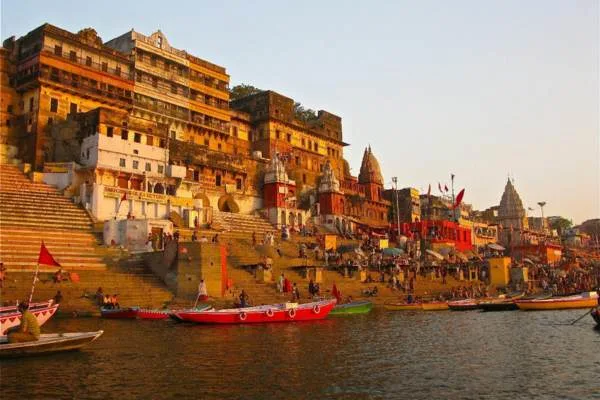
Safest Areas to Stay in Varanasi
Some neighborhoods in Varanasi are known for being particularly traveler-friendly:
- Assi Ghat: This area at the southern end of the ghats is popular with tourists. It has many guesthouses, cafes, and shops. Importantly, it’s well-connected to main roads, so taxis can reach hotels easily. Being in Assi means you’re in a lively part of town with other tourists around, which feels safer – especially at night.
- Dashashwamedh Ghat: Staying near Dashashwamedh puts you in the historic center by the biggest ghat. It is always bustling with pilgrims and ceremonies. The constant presence of people and temple security makes it relatively safe. (Just keep in mind the narrow lanes behind it can get confusing and empty after dark, so use main roads if you go out at night.)
- Cantonment Area: This is the modern part of Varanasi near the airport and railway station. It has wide, clean streets and many big hotels and restaurants. It’s quiet and orderly, partly because of the nearby military base. Travelers often say it’s a safe choice, though you do have to take a 15–20 minute auto ride to the ghats each day.
Each of these areas is considered safer than the maze-like lanes of the old city. Choosing a hotel here means better lighting and easier transport, which lowers risk.
Practical Varanasi Travel Safety Tips
Here are some practical tips to stay safe in Varanasi:
- Transport: Pre-book your airport or long-distance cab if possible. If arriving by air, use the official taxi counter or call a trusted service. For short trips, autorickshaws and e-rickshaws are fine — just agree on the fare first. You can even check an app fare estimate (Ola/Uber) and negotiate from that price.
- Money: Only withdraw cash from ATMs (airport ATMs are safe to use). Carry some small notes (₹50s, ₹100s) for rickshaws and tips; higher bills can be hard to break in small shops. Keep your wallet in an inside pocket or a money belt to deter pickpockets.
- Connectivity: Get a local SIM card at the airport (Airtel or Jio) as soon as you land. Having a working phone with GPS is a safety plus. Save important contacts (hotel, cab service, local police) in it.
- Documents: Keep photocopies of your passport, visa, and ID in your hotel safe. Only carry the originals when absolutely needed. Leave expensive items (extra jewelry, high-end electronics) locked up.
- Dress & Behavior: Dress respectfully – cover your shoulders and knees. This helps you blend in and reduces unwanted attention. Be polite to everyone and avoid loud arguments. If someone insists on a picture or ritual, feel free to say no. Always carry a little English or Hindi phrasebook.
- Miscellaneous: Invest in a good torch (handphone light works) because many alleys have poor lighting. Keep hand sanitizer and bottled water to stay healthy. And trust your gut: if a situation feels off, just exit to a busier area or call your hotel.
By preparing and staying vigilant on these practical points, you’ll greatly reduce any minor risks and travel with peace of mind.
Planning a Safe Trip to Varanasi? Talk to Local Experts for Guidance & Tour Help
Trusted advice • Safe travel planning • Custom itineraries
Plan My Varanasi VisitFor visitors who prefer a relaxed and organised experience, many travellers choose a Varanasi 2 Day Private Tour, as it helps cover the main ghats, temples, and city areas comfortably without rushing or navigating unfamiliar lanes alone.
Final Answer: Should You Worry About Safety in Varanasi?
In summary: Varanasi is not a dangerous city if you use common sense. Most travelers and families visit without incident. As long as you stay in well-traveled areas, avoid walking alone in dark alleys, and keep an eye on your things, you will likely be fine. The key is mindful travel: respect local customs, don’t flaunt valuables, and be polite. Varanasi’s unique culture and history are well worth the trip – and by taking basic precautions, you can enjoy them safely. Don’t let fear stop you from seeing this incredible city; just stay alert and enjoy your journey.
Varanasi Safety FAQs: Common Questions by Tourists
Is Varanasi safe for first-time visitors?
Yes. First-time visitors generally find Varanasi safe when they follow basic precautions. It’s a busy tourist city with friendly locals and active police presence. Staying aware of your surroundings and sticking to main areas makes it comfortable for newcomers.
Is Varanasi safe for families?
Yes. Families usually feel secure in Varanasi. Children and parents are common sights at the ghats and temples. Many families stay in areas like Assi Ghat or the Cantonment, which are quiet and well-lit. Standard safety measures (holding hands near crowds, using crosswalks) are sufficient.
Is Varanasi safe for solo female travellers?
Yes, with caution. Many solo women visit Varanasi safely. Daytimes are fine, but solo women should avoid walking alone late at night. Dressing modestly and staying in areas with other tourists add safety. It’s wise to move around with trusted people after dark.
Is it safe to walk near ghats at night?
Walking near the ghats in early evening is usually okay because many people are around. After the Aarti ceremonies, however, the ghats become almost empty. At that point, it’s safer to take a rickshaw or taxi back to your hotel instead of walking alone. Well-lit main ghats are fine, but avoid isolated steps when it’s very late.
Are autos and e-rickshaws safe in Varanasi?
Yes. Autorickshaws and e-rickshaws are common and generally safe. They can be crowded, but accidents are rare. The main issue is fair pricing: always agree on the fare before you ride. Using ride-hailing apps (Ola/Uber) can ensure fixed rates, or simply negotiate using the app’s estimate as a guide.
What scams should tourists avoid in Varanasi?
The typical scams include fake guides, overpriced boat rides, and inflated tuk-tuk fares. Do not pay anyone who approaches you out of the blue. Also beware of people demanding donations or fees at temples – all offerings should be voluntary. Stick to official counters or apps for payments and be firm about prices.
Which area is safest to stay in Varanasi?
Popular safe areas include Assi Ghat and the Cantonment. Both have good hotels, wide streets, and easy transport. Assi Ghat is lively and touristy. The Cantonment is quieter with more modern shops. Dashashwamedh Ghat is also common for its atmosphere and police presence, but its narrow alleyways can feel chaotic at night.
Is Varanasi safe for foreign tourists?
Yes, foreign tourists are generally safe in Varanasi. The city welcomes international visitors, and violent crime against foreigners is extremely rare. Just like anyone else, foreign tourists should use normal street smarts, agree fares upfront, and respect local customs (e.g. modest dress) as a courtesy.
Combine Varanasi with a Taj Mahal Visit
Many visitors combine Varanasi with a trip to Agra to explore India’s rich culture and heritage. You may also find these helpful:
- Is Train Better Than Car for the Taj Mahal — Compare travel options.
- Why Sunrise is the Best Time to Visit Taj Mahal — Plan your visit.
Experience both spiritual and historical highlights in one journey.

Comments